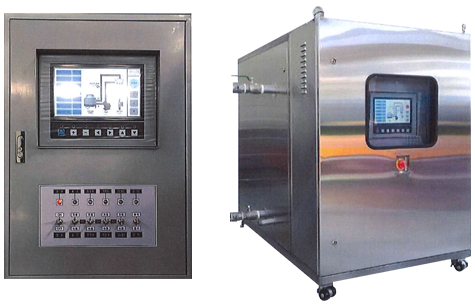
SRD SERIES
A Scale Removal Device is a specialized tool or system designed to eliminate hardened mineral deposits, commonly known as scale, from surfaces and internal components of equipment. These deposits typically form when water containing high levels of minerals such as calcium and magnesium is heated or evaporates, leaving behind a solid residue (limescale) that accumulates over time.
This device works by either physically, chemically, or electronically breaking down and removing the scale buildup. Mechanical scale removal devices use brushes, scrapers, or high-pressure water to dislodge deposits, while chemical descaling systems apply solutions that dissolve mineral residues. More advanced electronic desalers use electromagnetic or ultrasonic technology to alter the structure of minerals, preventing them from adhering to surfaces.
Scale removal devices are widely used in residential, commercial, and industrial settings, including water heaters, boilers, pipelines, cooling towers, and kitchen appliances. Regular use helps improve efficiency, maintain optimal performance, reduce energy consumption, and extend the lifespan of equipment.
In simple terms, a Scale Removal Device is essential for keeping systems clean, efficient, and free from damaging mineral buildup.
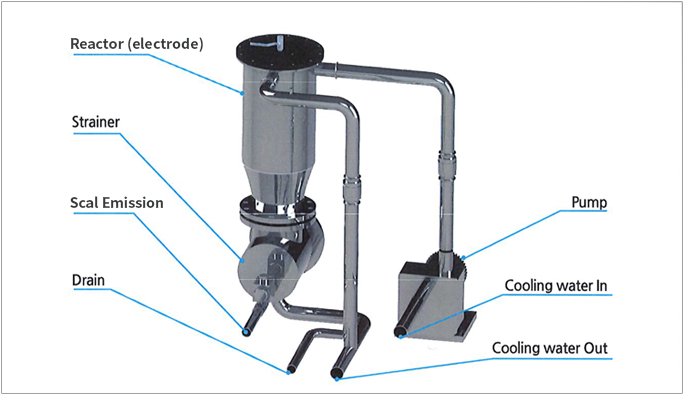
Problems due to Scale
When the scale begins to attach to the piping, it reduces the pipe diameter, obstructing the flow of coolant and reducing the cooling effect of the coolant to be cooled.
Installation Effect
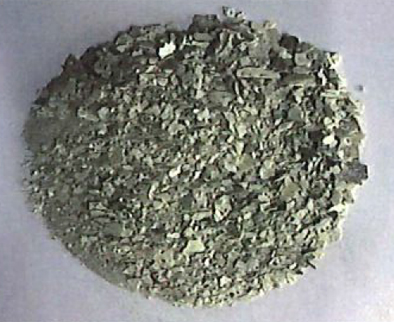
Reduced fluid transport capacity due to reduced cross-sectional area caused by internal pipe scale
Reduction in heat transfer efficiency due to scale formation inside the heat exchanger
Providing a cause for various valve and equipment failures due to water quality deterioration
Increase in power consumption due to scaling
Increase in equipment maintenance costs
Frequent coolant blowdown due to chemical concentration
Reduced equipment efficiency due to slime and various bacteria
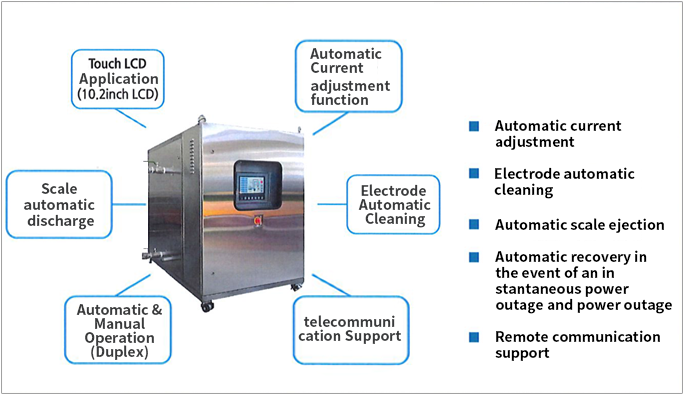
Improved transport capacity by removing scale from inside pipes
Increased heat exchange efficiency
Improvement of the cause of failure
Cost reduction
Cost reduction
water conservation
Efficiency improvement
Applications and uses
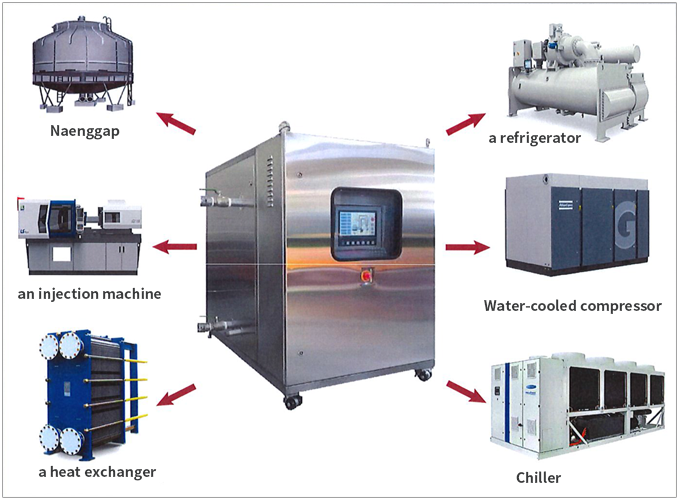
It is applicable to all locations using cooling tower circulating water, and enables the separation and discharge of scale within the circulating water as well as invisible scale inside the piping. It also prevents the proliferation of Legionella bacteria and aerobic microorganisms that occur during the summer through electrolysis. It can be applied to heat exchangers (evaporators, condensers) in refrigeration units required for seafood processing and storage, as well as to various cooling devices such as molding, die casting, compressors, press machines, and indirect heaters during production processes.
Installation Cases
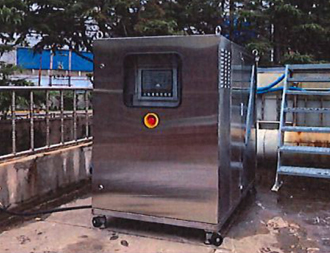
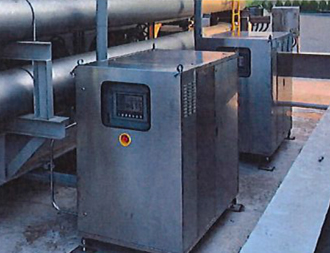
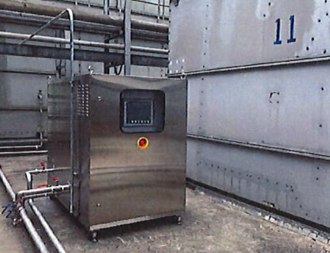
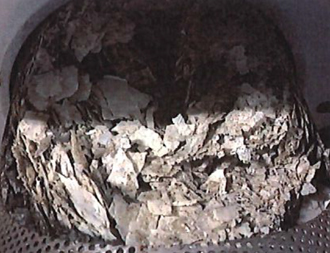
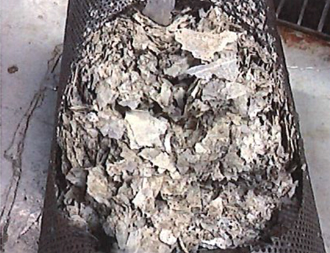
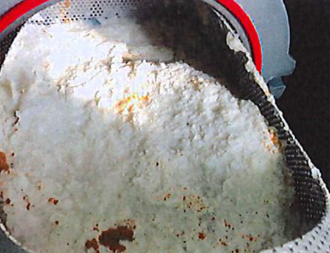
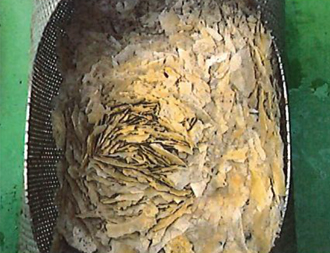
Scale Collection